Kidney
Stones
QUESTION:
I have a friend with kidney stones and wondering if you could indicate which are
the
herbs to make tea in order to "break" the stones.
ANSWER:
I cannot give anyone health advice and I really cannot say what herbs do,
because I sell them. I CAN say what I would do if it were me and what other
people have used and what various respected authorities say about herbs.
We
have known of several people without access to standard medical care who have
suffered greatly from the pain of kidney stones. They have used one of our
Extract Combination Capsules called Cornsilk KB along with our Hydrangea
Liquid Extract. These people experienced remarkable success with these simple
herbs. They used larger, more frequent doses at first because their situation was
very acute. In the beginning they took approximately 4 capsules 4 to 6 times a day and
were drinking 2 droppersful of the extract 4 to 6 times a day. After the severe pain
began to subside they reduced these large dose amounts and reduced the frequency as
well. They drank huge amounts of water with the intake of these herbs. A gallon
a day is good. Even though they felt better, they continued for a few days to
take all the capsules and extract until they were finished. Some of them took
another round of the herbs in smaller, less frequent doses just to ensure all
was well.
The
herbs in Cornsilk KB Extract Combination Capsules are well documented in
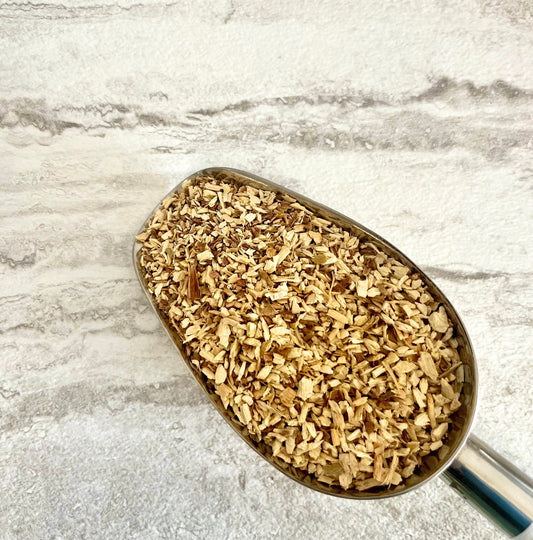
herb books for supporting the urinary system in many different conditions. Hydrangea
(Hydrangea arborescens)
is included as one of the ingredients in the Cornsilk KB caps
but it is such an amazing herb for this condition, I would definitely use both
caps and this extract if it were me.
The
late Dr. Edward E. Shook gave a series of lectures to medical doctors after
World War II. His books Elementary Treatise in Herbology and Advanced
Treatise in Herbology are a manuscript of these classes. Usually I only
reference herb books based on modern scientific research but I just love Dr.
Shook’s description of Hydrangea. He says " Dear student, you will
never find a more remarkable herb. And you see, it contains within itself a
chemical laboratory of curative principles second to none in the whole of
nature. So far as we now know, this herb is the most powerful solvent of stone

and calculous deposits, not only in the renal organs, but in every part of the
organism, wherever they may be located. Therefore it is destined to become a
universal remedy for phosphaturia, cystitis, alkaline urine, stony deposits,
deposits of calcium oxalate (which forms many calculi), chronic gleet, mucous
irritation of bladder in old people, backaches caused by kidney trouble, and
rheumatism of long standing, arthritis and gouty affections, arteriosclerosis
and many other conditions very frequently met with in ordinary practice."
He goes on to explain the pain experienced with kidney stones is due to the
sharp points of these crystals piercing the kidney or ureter. When these sharp
points are partially dissolved the stones pass with just a stretching of the
tubes. He reports that these sharp points on the stones are viewed by x-ray
pictures but are smooth and round when the stones are passed.
Modern
herbal authorities state Hydrangea comes with the specific warning of
"Avoid during long term use" because of the cyanogenic glycoside
content. Every plant is made up of many naturally occurring chemical
constituents. This particular herb contains 1.0% of hydrangin, one of several
kinds of cyanogenic glycosides. Plants in the Prunus species like
apricot, peach and bitter almond pits also contain one of these cyanogenic
glycosides and present the most serious concern. If a sufficient quantity is
consumed, it can prove fatal. The concentration is much higher in these specific
fruit pits but this warning is given for all plants containing this class of
glycosides. In the interest of caution, long term use is discouraged.