
QUESTION:
I was recently diagnosed with irritable bowel syndrome. The doctors are busy writing
me prescriptions that I don't want to take, however I do wish to care
for my health. I am a novice at herbal remedies and need your advice. What can I
take for irritation & spasm of the bowel? I would like to be able to
take the herb in a "tea" if possible. I hope to lower my stress level
& will watch what I put in my stomach, but I don't want to take those
doctor's
pills!!
ANSWER:
Thank goodness there are herbal soothers for this condition. Because I sell
herbs I really cannot say that an herb will cure anything but I can say what is
reported by various authorities, what other people have used and what I would do
if it were me.
Slippery
Elm comes to mind first because I know of the success others have had using

this herb for this condition. It’s usually used in the powder form. The
capsules are quite popular but for this purpose it is better to ingest much
larger quantities. It is the inner bark of this tree that is considered
medicinal. Native people used to consider it a food item. It was considered a
perfect food for the young and weak. Slippery Elm is famous for it
mucilaginous quality and is soothing & strengthening to all mucous
membranes. Your entire digestive tract from beginning to end is all mucous
membrane. Besides this soothing quality, Slippery Elm is full of
vitamins, minerals and even protein making it quite a healing food. It was often
used during convalescence because it was so gentle and easily assimilated. Many
herbs are balancing and this one is helpful in soothing diarrhea as well as
being a highly regarded, gentle laxative. Balancing herbs like this tend to give
you what you need at the moment. It is interesting to note that the FDA has
declared it to be a safe and effective demulcent.
I
know people who have eaten Slippery Elm everyday and it has dramatically

reversed their condition. If it were me, I would definitely have daily intake of
this herb. You can eat it like cereal or pudding. It tastes pretty good and can
be sweetened and seasoned with cinnamon, cloves, etc. Some people eat it like a
hot cereal with milk and I’ve read of it being mixed with hot milk and taken
that way. Books will recommend mixing it with a little water but I find it is
almost always lumpy. You can mix it in a blender to make a smooth consistency or
we have found mixing it with rice or soy milk eliminates the lump problem and is
more simple than using a blender. Maybe it is the natural thickeners in rice and
soy milk that encourage a smooth texture out of this herb powder. Try using a
tablespoon or two of the powder and add just a little liquid a bit at a time
until you have a gruel or pudding consistency. If it were me, I would eat that
much once or twice a day. You can also add the powder to regular hot cereal like
oatmeal or I have even added it to cooked brown rice. It tastes great in these
dishes. Capsules are convenient but you would have to take quite a few to equal
eating it like has been suggested above. When I need the convenience during
travel or extra busy times, I have taken generous amounts of the capsules. I’ve
been grateful at times that the capsules exist! I have also seen many authors
recommend mixing a teaspoon of the powder in a glass of water or juice. It’s
probably going to be a pretty wild and lumpy liquid to get down but that would
work too. One thing I must mention is that although Slippery Elm tastes
good, its texture is slippery and slimy, hence the name!
Unfortunately,
as you know, there are several different symptoms that can be experienced with
Irritable Bowel Syndrome. Therefore, there are several categories of herb
actions that are commonly used. Marshmallow as well as Slippery Elm
are considered demulcents. Herbal astringents like Agrimony, Bilberry,
Raspberry Leaf and White Oak Bark have historically been used for
diarrhea. Depending on the specific condition, immune supporters and
antimicrobials like Echinacea and Lapacho can be helpful.
Sometimes relaxing intestinal spasms and just relaxing from stress and anxiety
is needed and herbs like Chamomile, Valerian, Peppermint and Melissa
(Lemon Balm) have been used just for these purposes. All these herbs for
spasms and relaxing could be taken in the liquid extract form and except for the
Valerian (for some people), all make rather delicious teas. All the other herbs
mentioned above could be taken as liquid extracts or tea. Ginger is quite
remarkable for digestive problems being anti-inflammatory and helping with all
kinds of discomforts.
Essential
oils are generally used externally in this country but there are a few
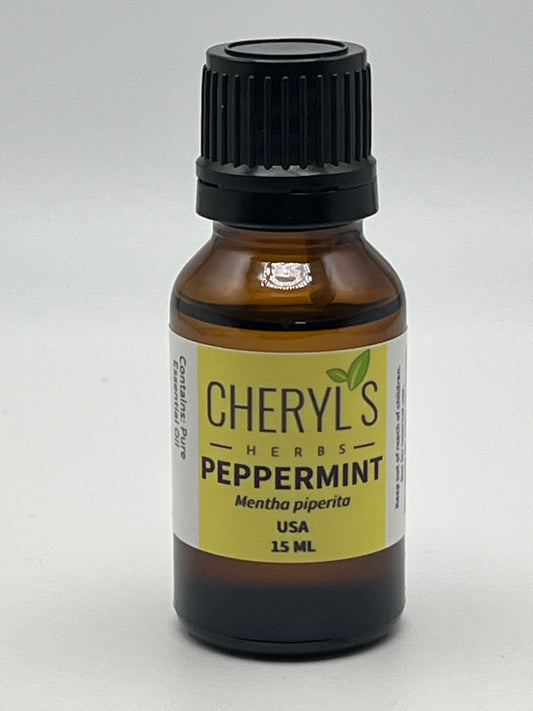
exceptions. Studies have shown internal use of Peppermint Essential Oil
to be of great benefit in Irritable Bowel Syndrome. Dosages recommended by the
German Commission E Monographs are approximately 5 drops at a time. This is
pretty high according to the usual recommendations found in aromatherapy books.
I know a lady, suffering from this condition, who took 2 drops 3 times a day and
had wonderful results.
Aromatherapy
involves the use of essential oils for health and well-being. Application to the skin
is one of the most common uses of essential oils. The oils thought to be
valuable in digestive complaints, especially for spasms and pain according to
respected aromatherapy authorities, include Peppermint, Black Pepper, Fennel,
Chamomile (Roman) and Marjoram. These oils can be diluted into a carrier and
applied to the abdomen. In France they are more bold in their method of
aromatherapy and essential oils for this purpose are applied to abdomen
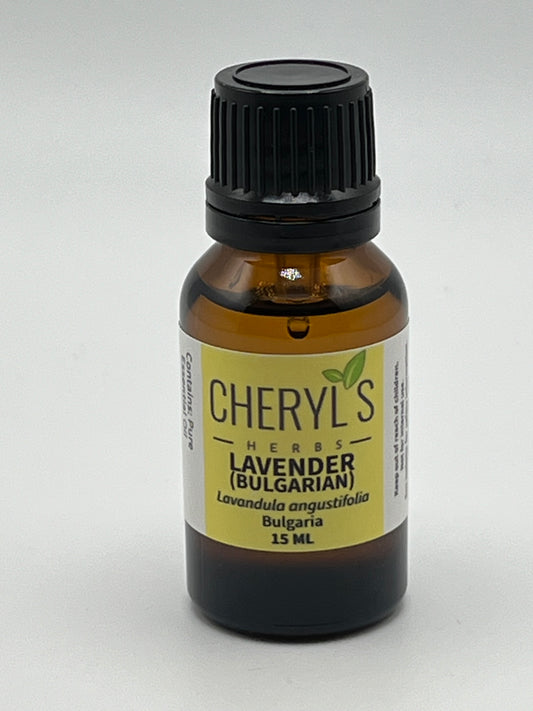
undiluted. Relaxing essential oils such as Neroli and Lavender are
great to use as well. For relaxing, these wonderful smelling oils could be added
to the bath water, applied to the body in a lotion or carrier oil or diffused in a
room to be inhaled.
We
have a product called Digestive Blend of essential oils diluted into a
carrier and we also have a wonderful mixture of essential oils called DIG
Friction from the French line of aromatherapy products by Nelly Grosjean.
Nelly is an internationally famous naturopathic doctor and aromatherapist. This
little friction, as she calls it, is really excellent.
If
it were me, I would regularly and generously use these herbs and essential oils,
be careful of what I ate and try to eliminate as much stress and tension from my
life as possible. I’m sure you are aware already of how important diet is in the recovery
from this condition. Sometimes this is the time when an allergy to certain foods
such as dairy products is discovered. Michael Murray and Joseph Pizzorno, authors of Encyclopedia
of Natural Medicine feel that Candida can help favor the possibility of food
allergies and may further complicate Irritable Bowel Syndrome. According to many
authorities and from my own experience, Lapacho is an anti-fungal herb that
helps quite a lot with candida. Lapacho is also a powerful immune stimulant and
has been shown to help with a huge variety of conditions including all kinds of digestive
problems. In my opinion, boosting the immune system helps your body deal with
whatever specific condition that is unique to you. I would definitely give this
herb a try for awhile and see if you notice a difference.
BOTANICAL
& SAFETY INFORMATION:
HERBS:
Agrimony
Herb Agrimonia eupatoria
Safe
to consume when used appropriately.
Bilberry
Berry Vaccinium myrtillus
Safe
to consume when used appropriately.
Echinacea
Root Echinacea angustifolia & E. purpurea
No
warnings although some authorities feel it should not be used in autoimmune
diseases.
Lapacho
Bark (Pau D'Arco) Tabebuia avelleneda
Safe
to consume when used appropriately.
Chamomile
Flower (German) Matricaria recutita (M. chamomilla)
Safe
to consume when used appropriately.
Ginger
Root Zingiber officinale
Safe
to consume when used appropriately.
Marshmallow
Root Althaea officinalis L
Safe
to consume when used appropriately but absorption of other drugs taken
simultaneously may be delayed.
Melissa
Herb (Lemon Balm) Melissa officinalis
Safe
to consume when used appropriately.
Peppermint
Leaf Mentha x piperita
Safe
to consume when used appropriately.
Raspberry
Leaf Rubus idaeus
Safe
to consume when used appropriately.
Slippery
Elm Bark (Inner) Ulmus fulva
Safe
to consume when used appropriately.
Valerian
Root Valariana officinalis
Safe
to consume when used appropriately.
White
Oak Bark Quercus alba
Avoid
external use with extensive skin surface damage. Full baths with a significant
amount of the tea are contraindicated in the following conditions: weeping
eczema and skin damage over a large area; febrile and infectious disorders;
cardiac insufficiency stages III and IV; hypertonia stage IV.
ESSENTIAL
OILS:
Black
Pepper Piper nigrum
Tested
non-toxic at low levels. Possible skin irritant. Large levels may damage
kidneys.
Chamomile
(Roman) Anthemis noblis L.
Tested
non-toxic at low levels. Avoid in early pregnancy.
Fennel
(Sweet) Feoniculum vulgare
Tested
non-toxic at low levels. Avoid in pregnancy, epilepsy. Potentially sensitizing.
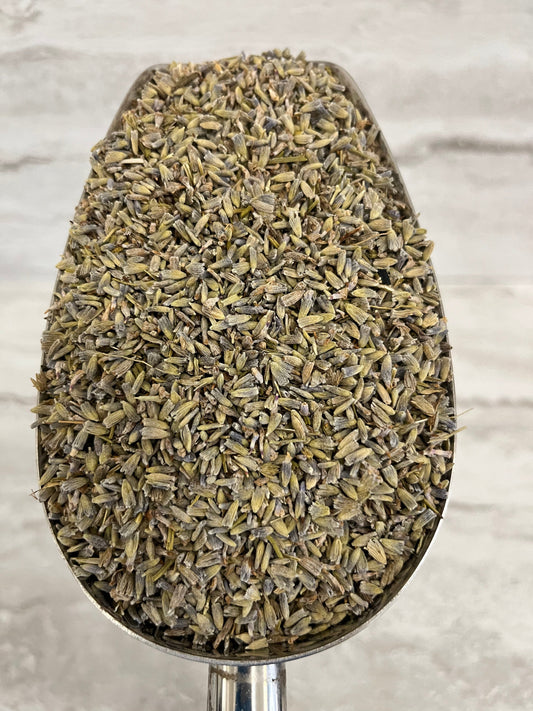
Lavender
Lavandula angustifolia
Tested
non-toxic at low levels.
Marjoram
Origanum marjorana, sweet
Tested
non-toxic at low levels. Avoid when pregnant, with asthma, low blood pressure,
depression. Sedative.
Neroli
Citrus aurantium
Tested
non-toxic at low levels.
Peppermint
Mentha x piperita
Tested
non-toxic at low levels. Avoid when pregnant, lactating. Skin irritant. Keep
away from infants.
REFERENCES:
Battaglia,
Salvatore.
The Complete Guide to Aromatherapy.
Virginia, Queensland: The Perfect Potion. 1995.
Blumenthal,
Mark., et al Ed.
The Complete German Commission E Monographs.
Austin: American Botanical Council. 1998.
Duke,
James A.
The Green Pharmacy.
New York: St. Martin’s Paperbacks. 1998.
Hoffmann,
David.
The Complete Illustrated Holistic Herbal.
Shaftsbury, Dorsett: Element Books. 1996.
McGuffin,
Michael, et al Ed.
American Herbal Products Association’s Botanical Safety Handbook.
Boca Raton: CRC Press. 1997.
Murray,
Michael T. and Pizzorno, Joseph.
Encyclopedia of Natural Medicine.
Rocklin, CA: Prima Publishing. 1991.
Thomas,
Lalitha.
Ten Essential Herbs.
Prescott, AZ: Hohm Press. 1992.
Tyler,
Varro E.
Herbs of Choice.
New York: Pharmaceutical Products Press. 1994.
Shook,
Edward E.
Advanced Treatise in Herbology.
Beaumont, CA: Trinity Center Press. 1978.