AROMATIC
& HERBAL REMEDIES FOR ANIMALS
by
Cheryl
Hoard
Many
alternative health disciplines are successfully used to treat animals,
especially our beloved pets. Herbalism and Aromatherapy are utilized safely and
effectively for animals as well as humans. Plants have been our medicine since
the earliest written record. Herbalism encompasses various and broad uses of
plants as healing agents. Aromatherapy is the use of essential oils for health
and well-being. Essential oils are the strongest form of herbs available,
produced from distillation of plant material.
Generally
the same herbs and essential oils used for human conditions can be used on
animals in the appropriate amounts. Because of the extreme concentration of
essential oils, more safety cautions naturally apply to their use. For example,
diluted essential oils applied to your skin are too strong for the sensitive
skin of cats. Essential oils are not applied to a cat's skin except to treat a
wound.
To
calculate a proper dosage for your pet, think about how much of a natural remedy

you would take for yourself. Consider your weight and then your pet's weight and
do the math. If you would take 20 drops of an extract but your pet weighs a
fourth of your weight, then your pet's dose is 5 drops. Some authors recommend
half-teaspoon of tea for a kitten and one or two teaspoons for a grown cat or
small dog, increasing accordingly for larger dogs. Extracts or teas can be mixed
into food or a squeeze bottle and placed into the cheek pouch until all liquid
is swallowed. For mild, minor or brief illnesses, remedy could be given three or
four times a day and for chronic conditions, twice a day for several weeks.
Quite often a few day's fast is suggested before administration of herbal

remedies except in cases of diabetes.
Aromatherapy
has its unique uses in that essential oils can be diffused into the air. Your
pet can be confined to the room with the diffuser or in its carrier box. Just
today someone told me their kitty lost its voice so eucalyptus oil was diffused
in the room and in a day or two the kitty had its voice back and a respiratory
condition was prevented. Anti-stress essential oils can also be diffused for a
variety of behavior problems. The most important thing to remember about the use
of essential oils is that they must be diluted before applying to the body.
As
with human use of natural remedies, pet owners enjoy them in place of common
chemical preparations used for minor problems typically treated at home. They
appreciate and strive for something natural instead of synthetic. Pet owners
also have amazing success with natural remedies in treatment of more serious
conditions of the liver, kidney, heart, digestive tract as well as arthritis,
immune deficiency, tumors and cancer. Sometimes these owners have exhausted all
options that conventional treatment has to offer and turn to natural techniques
as a last resort only to be delighted with the results. Certainly not all cases
result in complete recovery but the varying degrees of pain relief, increased
vitality and tumor diminishment is greatly appreciated by both pet and owner.
Your
herbal medicine cabinet can become your first line of defense when a symptom
becomes evident. This brings us closer to the concept that prevention is better
than the cure. Healing is quicker the sooner the natural remedy is used. If the
symptoms continue or become worse a trip to the vet may be necessary. Quite
often natural methods can eliminate the need for a professional and they often
can be used in conjunction with standard medical care. Use common sense though,
do not use natural remedies to replace necessary care by a qualified
practitioner!
Herbs
and essential oils provide gentle and thorough healing with long lasting
beneficial effects. Herbs aid our pets' bodies to heal themselves. Pets are
sometimes more sensitive than we humans and easily show improvement from the use
of natural methods. What a wonderful thing it is to help a sensitive little
creature with a gentle healing plant. Sounds like the natural thing to do!
Here
is a list of some of the most commonly recommended herbs and essential oils by
various authors and authorities. This list does not include all necessary
details involving administration of these remedies but just briefly gives some
suggestions to consider.
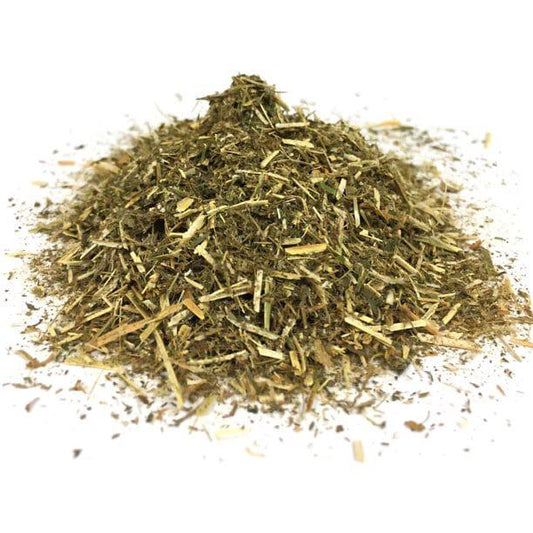
ALFALFA
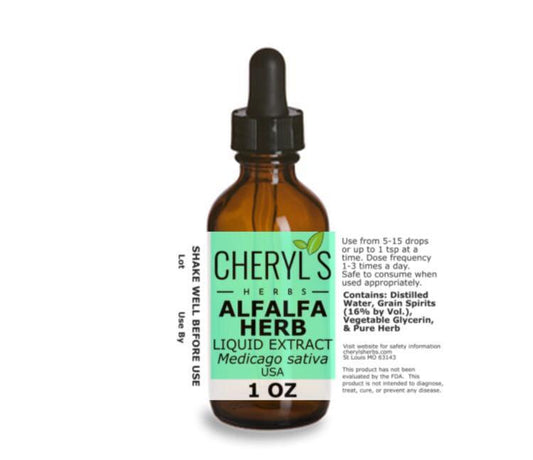
LEAF Medicago sativa - Arthritis, provides nutrients
ECHINACEA
ROOT Echinacea angustifolia - Antibacterial and antiviral (external and
internal)
ESSIAC
FORMULA (Burdock, Sheep Sorrel, Slippery Elm & Rhubarb) - Cancer, leukemia,
immune deficiencies and tumors
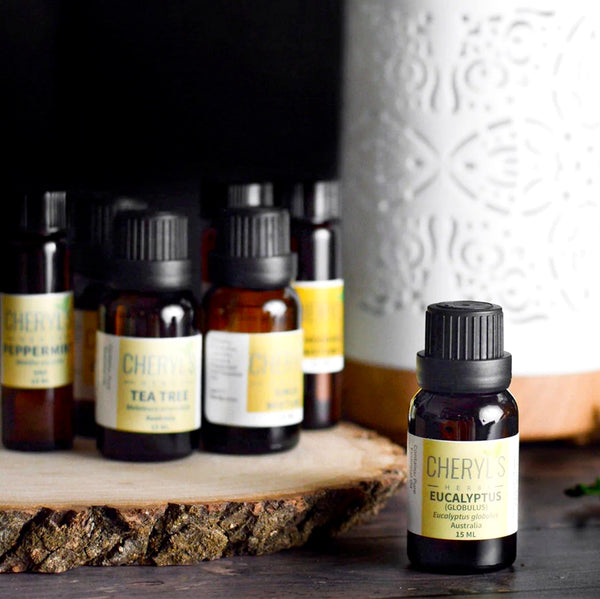
EUCALYPTUS
ESSENTIAL OIL Eucalyptus globulus - Respiratory problems, insect
repellent
DANDELION
ROOT Taraxacum officinale - Allergies, skin conditions, provides
nutrients, useful in urinary probmes
GARLIC Alium
sativum - (dry, not fresh) Makes pets less attractive to fleas and internal
parasites
GINGER
ESSENTIAL OIL Zingiber officinale - (inhaled only) digestive problems,
car sickness
GOLDEN
SEAL ROOT Hydrastis canadensis - Antibacterial, antiseptic on wounds
HAWTHORN
BERRY Crataegus laevigata - Strengthens heart
HYDRANGEA
ROOT Hydrandea arborescens - Urinary problems
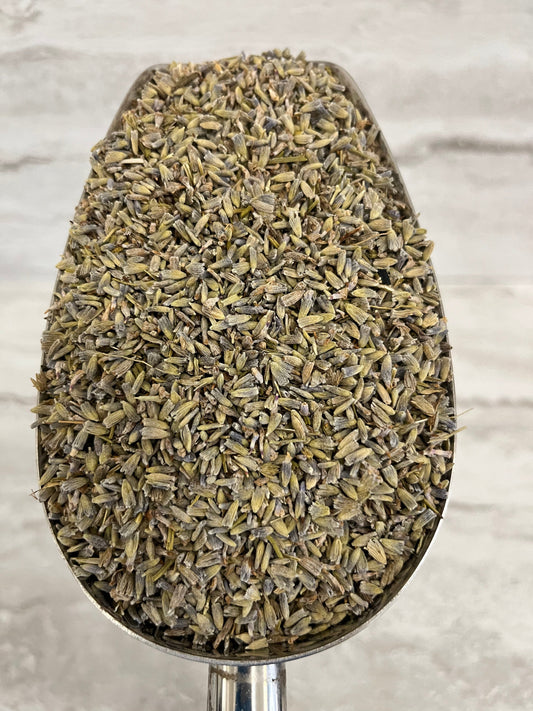
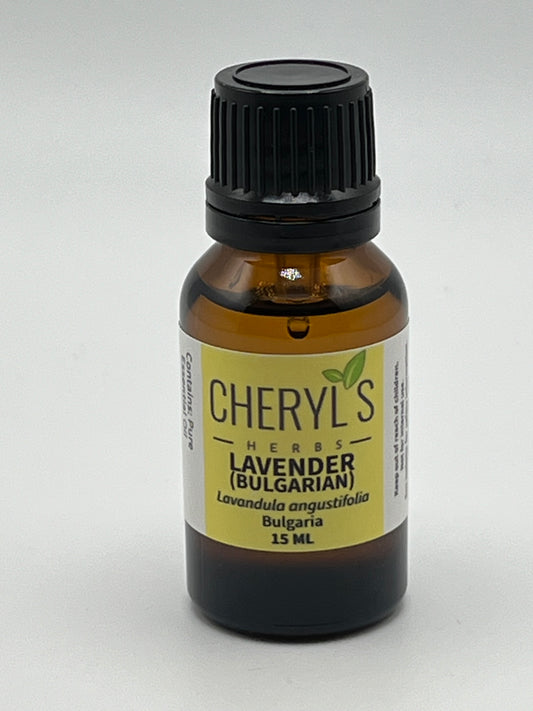
LAVENDER
ESSENTIAL OIL Lavandula angustifolia - Analgesic, sedative, antiseptic,
skin problems, wounds
MILK
THISTLE SEED Silybum marianum - Liver support
PARSLEY
LEAF Petroselinum cripum - Urinary problems
RESCUE
REMEDY Bach Flower Essence - Stress, Anxiety
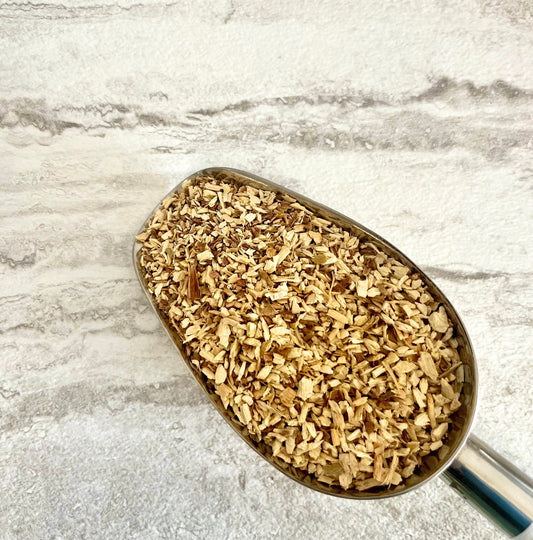
SLIPPERY
ELM BARK Ulmus fulva - Diarrhea, vomiting, digestive problems
ST.
JOHN'S WORT INFUSED OIL Hypericum perforatum - Skin conditions, wounds,
burns
TUMERIC
ROOT Curcuma longa - Anti-inflammatory
VALERIAN
ROOT Valariana offinalis - Analgesic and sedative
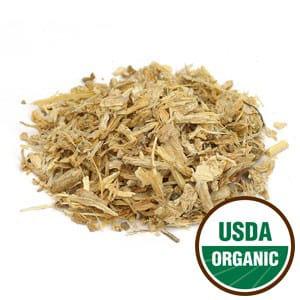
WHITE
WILLOW BARK Salix alba - Anti-inflammatory and analgesic
YARROW
HYDROSOL Achillea Millefolium - All skin problems
References:
Levy,
de Bairacli, Juliette. The Complete Herbal Handbook for the Dog and Cat. London:
Faber and Faber Ltd. 1992.
Stein,
Diane. Natural Healing for Dogs & Cats. Freedom, CA: The Crossing Press.
1993
Kidd,
Randy. Dr. Kidd's Guide to Herbal Dog Care. Massachusetts: Storey Publishing.
2000.
Elliot,
Jill. and Bloomer, Kim. Whole Health for Happy Dogs. New York. Crestline. 2006.
About
Cheryl
©
2012 Cheryl's Herbs. All Rights Reserved.