![]() ![]() ![]() ![]() ![]() ![]() ![]() ![]() ![]()
|
IS YOUR ESSENTIAL OIL NATURAL, STANDARDIZED OR SYNTHETIC?
by
Cheryl Hoard
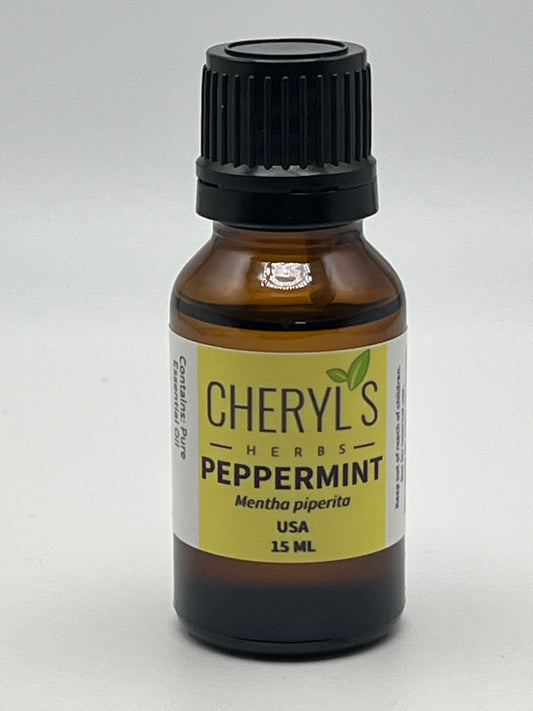
Essential oils are the fragrant soul of a plant. They are the characteristic scent or odor of a plant. Many chemical constituents make up this volatile oil. Peppermint essential oil (Mentha x piperita), for example is made up of menthol, menthyl acetate, menthone, cineole, pulegone, limonene, phellandrene, pinene, beta-bisabolene & beta-caryophyllene. It is these chemicals, in a combination determined by nature, which produce the scent of Peppermint.
Essential oils are extracted by several methods including distillation (water, steam, water and steam), cold pressing, enfleurage, solvent extraction and CO2 extraction. The choice of extraction method varies according to the chemical constituents, the delicate nature of certain plant materials, or the desired result. For example, fractioning, a distillation technique, separates specific chemical constituents, owing to their varied boiling points and evaporation rates. This is particularly useful in the perfume and flavor industries.
The Aromatherapist generally desires to use the whole, naturally balanced, pure, natural oil. Pure essential oils may contain trace constituents, which may not as yet have been detected or identified which make up the totality of the oil. These would not be present in a reconstructed or synthetically produced oil. It is perhaps best to trust that nature will provide the correct balance. We are, after all, dealing with the soul of the plant, and who among us can reconstruct such a thing?
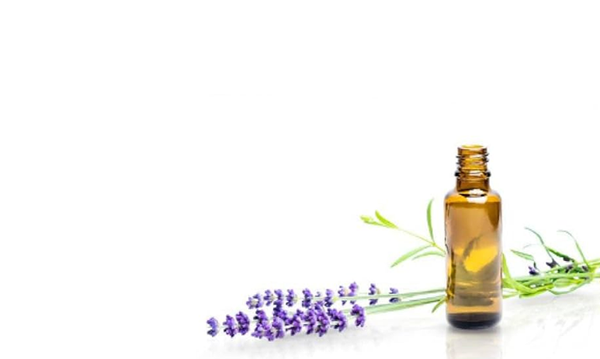
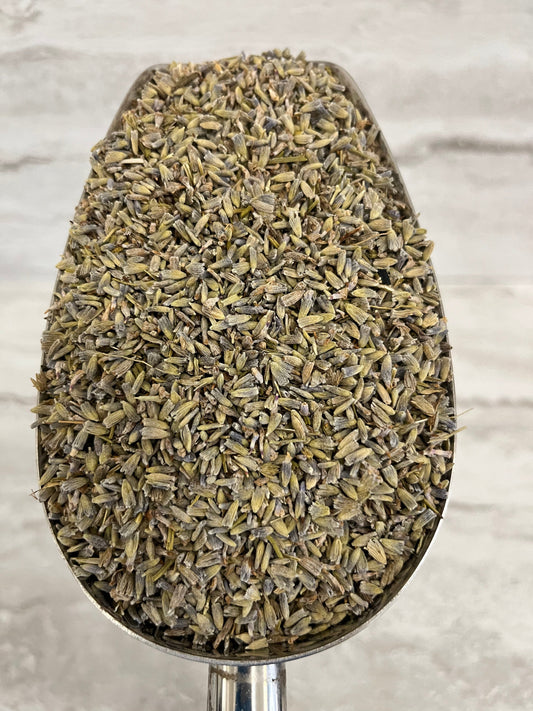
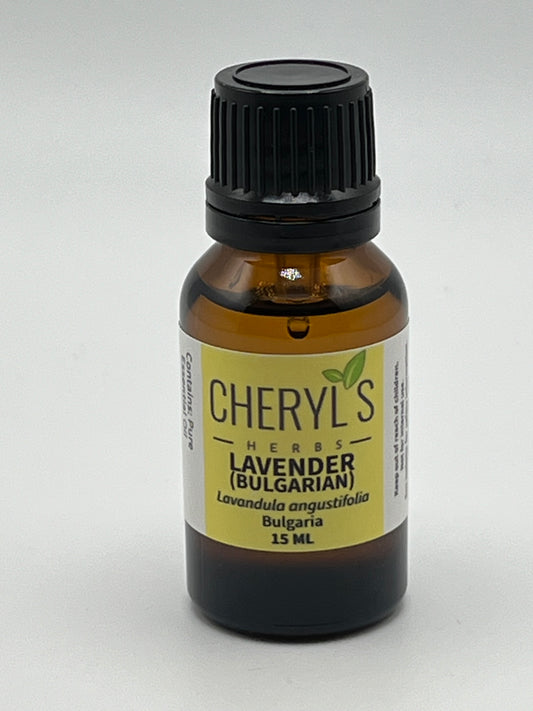
Standardized oils are those which have been altered from their naturally balanced state. They can be adulterated with all natural constituents. An example of this would be Lavender. True Lavender is Lavandula angustifolia. Most of the flowers and oil from France are actually a cross between Lavandula angustifolia and Lavandula latifolia and should more properly be referred to as Lavandin (Lavandula x intermedia). Additionally, Lavandin essential oil may be combined with chemical constituents of Lavender or other species, such as linalyl acetate from Mentha citrata, for example, to produce a Lavender 40-42 essential oil, a 40 to 42% standardization of linalyl acetate and linalool content. This oil is most widely presented as a Lavender oil but is not acceptable in the practice of Aromatherapy.
Other forms of adulteration include:
Synthetic reconstitutions use synthetically reproduced chemicals (usually petroleum derived) to recreate some of the properties found in nature. Using even one synthetic chemical in an otherwise natural oil renders the oil synthetic as a whole.
Price can be an indication that an oil is synthetically reproduced or extended. Chemically reconstructed oils called "Nature Identical" are much cheaper but seldom include all the trace chemicals which might be found in any given specimen of a certain plant material. Used mostly by an industry which accepts a standard of between 51 - 96% accuracy, chemically reconstructed oils are not suitable for therapeutic use.
Certain oils are not extracted and examples of these oils (gardenia, lily of the valley, lilac) should almost always be considered to be synthetic.
One can see, that there are many products available which are called Essential Oils, but they are produced in many different ways and to many different ends. The buyer must become knowledgeable about these variations in order to make intelligent and appropriate choices for their desired use.
Bibliography Lavabre, Marcel, The Aromatherapy Workbook, Healing Arts Press, 1990 Lawless, Julia, The Encyclopedia of Essential Oils, Element, 1992 Keville, Kathi & Mindy Green, Aromatherapy, A Complete Guide to the Healing Art, The Crossing Press, 1995 Price, Shirley, The Aromatherapy Workbook, Thorsons, 1993 Rose, Jeanne, The Aromatherapy Book, North Atlantic Books, 1992 Rose, Jeanne, Aromatherapy Studies Course, Herbal Studies Library, 1994 Sellar, Wanda, The Directory of Essential Oils, C.W.Daniel, 1992 Tisserand, Robert, The Art of Aromatherapy, C.W. Daniel, 1997 Valnet, Jean, The Practice of Aromatherapy, C.W. Daniel, 1980
© 2007 Cheryl's Herbs. All Rights Reserved.
|