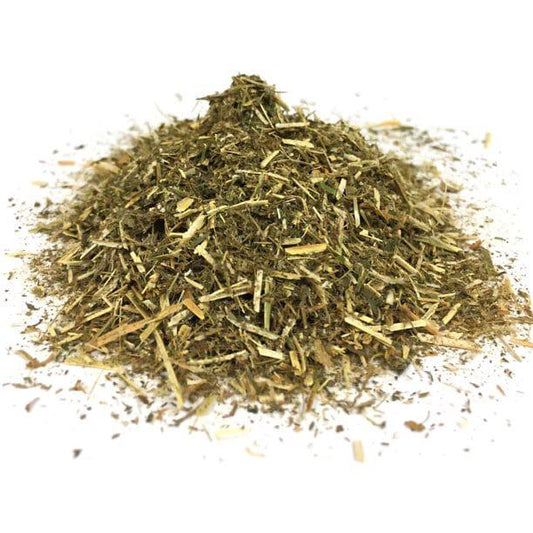
Many physicians in Germany
prescribe Kava Kava Root (Piper methysticum) as a first line of
defense for symptoms associated with anxiety. Alternatively, the common chemical
prescription is Valium which belongs to a class of conventional drugs called
benzodiazepines. Kava Kava does not cause the side effects associated with these
drugs and in clinical trials has been shown to be therapeutically similar. It is
the kavalactone constituents that offer many of the actions attributed to Kava.
They leave your mind sharp while your body relaxes - without the possibility of
addiction. Their analgesic effect matches a typical 200 milligram aspirin.
Besides the popular use of Kava
for muscle relaxing, soothing anxiety and tension, other uses can relieve
headaches, hyperactivity in children, insomnia and aid in the treatment of
depression. A lesser known benefit of this root is its anti-inflammatory and
analgesic effect on the urinary system, particularly for women. It has been used
for conditions like bladder & urinary tract inflammations and the
kavalactones are also recognized for their ability to relax the uterus, making
it useful for menstrual cramps.
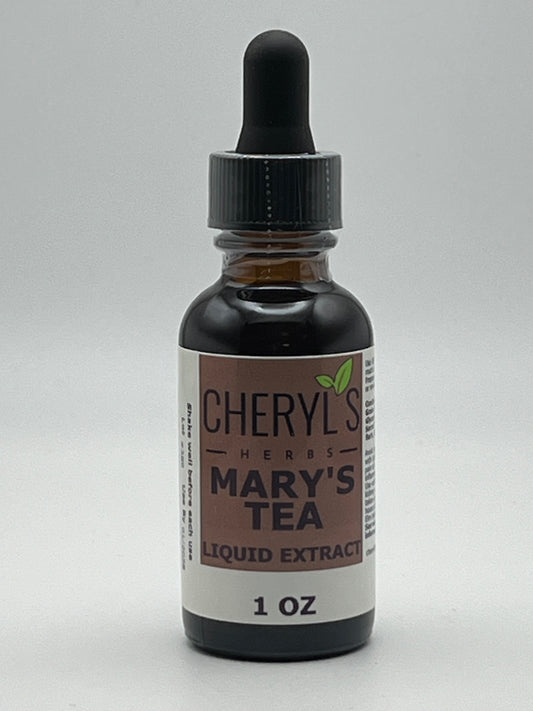
In Polynesia, Kava tea is highly
popular and even considered more socially acceptable than alcohol. It has been
served to famous visitors that include Lyndon and Lady Bird Johnson, Pope John
Paul II, Hillary Clinton and Queen Elizabeth II.
The current safety cautions for
Kava are as follows: Avoid during pregnancy, nursing and some kinds of
depression. Not recommended for more than 3 months without medical advice. It
could increase the effect of alcohol, barbiturates and some drugs used for
psychological treatment and has the potential to affect motor reflexes and
judgment when driving or operating heavy machinery.
In recent months concerns have
been raised about the possibility of liver damage with the consumption of Kava.
According to Mark Blumenthal, executive director of the American Botanical
Council, "...Kava is being anecdotally linked to reports of liver
dysfunction without any confirming scientific evidence." Reports from a few

countries in Europe prompted the international scrutiny Kava is undergoing now.
The FDA is still evaluating the cases in question. Unfortunately, while still
evaluating and before even coming to any conclusions, they issued a warning that
Kava Kava MAY be linked to liver problems.
When the reports from Europe
surfaced, a check of the FDA database found no reports of adverse liver effects
associated with Kava in the USA. The database did contain 29 of a total of 35
USA Kava "adverse event reports" which turned out to be from a young
man distributing what was called a Kava product at a rave that actually was
1,4-butanediole, containing no herbs or natural dietary supplement ingredients.
Unfortunately publications like The New York Times use this FDA
database as a source of information and in an article on January 16, 2002
reported these cases as problems related to the use of Kava Kava. Some of the
Kava products used in the other cases in this database contained multiple
ingredients other than Kava.
France has already banned the sale of Kava products based on 30 case reports
from Germany and Switzerland that only identify it as a POSSIBLE cause in liver
problems. The Kava product used in many of these reports was an acetone-based
extract that was highly concentrated to 70% kavalactone content. Factors
including simultaneous use of liver damaging medications, viral infections and
alcohol abuse were not ruled out in many cases. Eighteen cases actually were
related to these factors raising doubts about the validity of some of the
reports.
In a report commissioned by the American Herbal Products Association, Council
for Responsible Nutrition, National Nutritional Foods Association and Utah
Natural Products Alliance, Donald Waller, Ph.D., from the University of
Illinois-Chicago and board-certified toxicologist, said there is no
scientifically supported association of liver disease with the use of Kava which
can be found using the FDA case reports. The FDA is reviewing 38 Americans with
medical problems possibly associated with Kava use. Two of these cases involving
chronic or high-dose Kava consumption did not even result in liver damage which
may indicate Kava does not adversely effect the liver. Because of the
conflicting information and the seriousness of the claims The American Botanical
Council has recommended if one is already taking prescription medication
associated with liver damage, consumes alcohol regularly or has a preexisting
liver disease, not to use Kava Kava. They also recommend, since the reports so
far are connected to chronic or excessive use, that Kava should not be taken on
a daily basis for more than 4 weeks without the advice of a qualified
professional. In addition they also state to discontinue use if symptoms of
jaundice (e.g., dark urine, yellowing of the eyes) occur.
There is very little evidence in the previously existing scientific literature
to associate Kava with liver toxicity. The herb has been safely used in
Polynesia for centuries. When the above mentioned groups, AHPA, CRN, NNFA and
UNPA issued a press release in December 2001, AHPA president Michael McGuffin
was quoted as saying "Despite the fact that the Kava products under
scrutiny are ones manufactured and sold in Europe, we believe that it is
critical that Kava's long history of safe use be reaffirmed by a review of the
information."
June, 2002
REFERENCES:
Anon. FDA Issues Warning on Kava Suplement.
St.
Louis Post-Dispatch, March 26, 2002.
Anon. Kava Use Not Linked to Liver Damage, Report
Says. Vitamin Retailer, April 2002.
Anon. NNFA Releases Expert Analysis of Kava
Safety. Whole Foods, April 2002.
Blumenthal, Mark. The Safety of Kava Questioned.
Whole
Foods, March 2002.
Duke, James A.Dr. Duke’s Essential Herbs.
New York: St. Martin’s Paperbacks. 2001.