Blumenthal, Mark, et al., The Complete German Commission E
Monographs, The American Botanical Council, Austin, TX, 1998.
ACACIA
FLOWER
Acacia
vera
No
safety information available
ACACIA
GUM
Acacia
spp.
No
safety information available
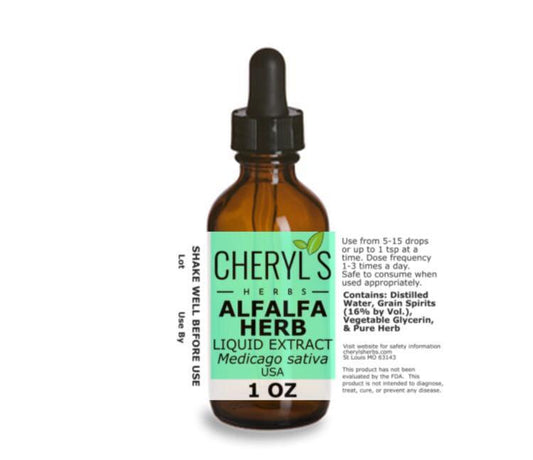
ALFALFA
LEAF
Medicago
sativa
Safe
to consume when used appropriately.
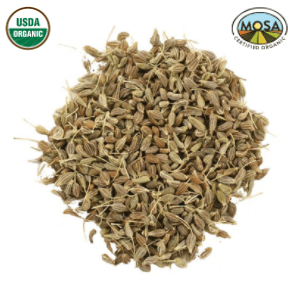
ANISE
SEED
Pimpinella
anisum
Avoid
during pregnancy. Some allergic reactions of skin, respiratory, gastrointestinal
tract have been documented.
ARNICA
FLOWER
Arnica
montana
External
use only but not on open wounds or broken skin. Can cause allergic dermatitis in
sensitive persons or with prolonged use.
ASTRAGALUS
ROOT
Astragalus
membranaceus
Safe
to consume when used appropriately.
BARBERRY
ROOT
Berberis
vulgaris
Avoid
during pregnancy.
BASIL
LEAF (SWEET)
Ocimum
basilicum
Avoid
when pregnant or nursing, not recommended for infants, toddlers or for extended
periods of time.
BETONY
HERB
Stachys
officinalis
Safe
to consume when used appropriately.
BILBERRY
BERRY
Vaccinium
myrtillus
Safe
to consume when used appropriately.
BILBERRY
LEAF (Blueberry)
Vaccinium
myrtillus
Safe
to consume when used appropriately.
BLACK
COHOSH ROOT
Cimicifuga
racemosa
Avoid
when pregnant or nursing, limit use to 6 months.
BLACK
HAW BARK
Viburnum
prunifolium
Individuals
with a history of kidney stones should use this herb cautiously.
BLACK
WALNUT HULL
Juglans
nigra
Prolonged
use is not advised due to the presence of significant quantities of juglone. May
reduce absorption of most drugs.
BLACK
WALNUT LEAF
Juglans
nigra
Prolonged
use is not advised due to the presence of significant quantities of juglone. May
reduce absorption of most drugs.
BLESSED
THISTLE HERB
Cnicus
benedictus
Avoid
during pregnancy. High doses (more than 5.0 grams per cup of tea) may irritate
the stomach and cause vomiting. Allergic reactions to this and other composites
are possible.
BLOOD
ROOT
Sanguinaria
canadensis
Avoid
during pregnancy. As little as one gram may cause nausea and vomiting. Sparing
use is recommended for individuals with history of digestive system sensitivity.
Prolonged use is not advised.
BLUE
MALVA FLOWER
Malva
sylvestris
Safe
to consume when used appropriately.
BLUEBERRY
LEAF see: BILBERRY LEAF
BLUE
VERVAIN HERB
Verbena
hastata
Avoid
during pregnancy
BONESET
HERB
Eupatorium
perfoliatum
For
external use only, avoid on broken skin, during pregnancy, while nursing and
with history of liver disease.
BORAGE
HERB
Borago
officinalis
For
external use only, avoid on broken skin, during pregnancy, while nursing and
with history of liver disease. Long term use is not recommended.
BURDOCK
ROOT
Arctium
lappa
Safe
to consume when used appropriately.
BURDOCK
SEED
Arctium
lappa
Safe
to consume when used appropriately.
CALAMUS
ROOT
Acorus
calamus
Avoid
during pregnancy.
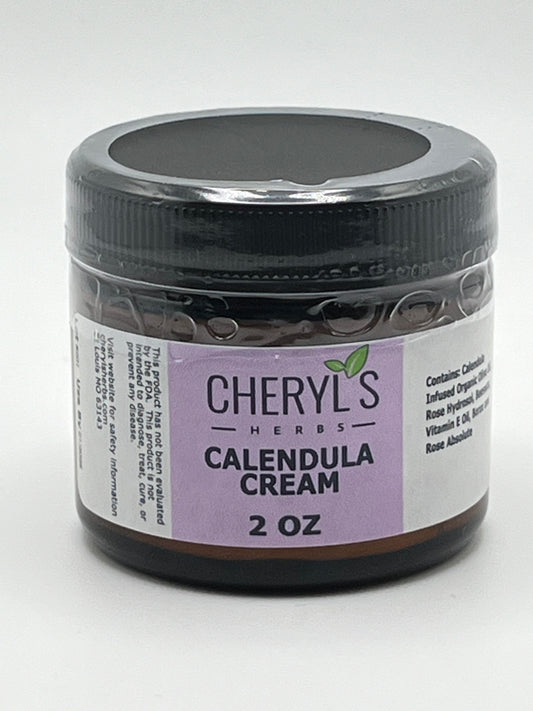
CALENDULA
FLOWER
Calendula
officinalis
Safe
to consume when used appropriately.
CARDAMON
SEED
Elettaria
cardamomum
In
case of gallstones, use only after consultation with a physician.
CASCARA
SAGRADA BARK
Rhamnus
purshiana
Avoid
when pregnant or nursing, with intestinal obstruction, abdominal pain of unknown
origin, or any inflammatory intestinal condition (appendicitis, colitis, Crohn’s
disease irritable bowel) and in children under 12 years of age. Not for
long-term use of more than 8-10 days.
CAT'S
CLAW BARK
Uncaria
tomentosa
No
safety information available but may be digestive irritant. One authority
reports possible contraindications for pregnancy, patients undergoing skin
grafts, organ transplants, hemophiliacs prescribed fresh blood plasma,
simultaneous administration of certain vaccines, hormone therapies, thymus
extracts, insulin, and children under three years of age.
CATNIP
LEAF & FLOWER
Nepeta
cataria
Avoid
during pregnancy.
CATUABA
BARK
Juniperus
brasiliensis
No
safety information available.
CAYENNE
(AFRICAN BIRD)
Capsicum
annum
Excessive
internal doses may cause GI irritation in sensitive individuals, externally
contraindicated on injured skin or near eyes.
CHAMOMILE
FLOWER (GERMAN)
Matricaria
recutita (M. chamomilla)
Egypt/Germany
Safe to consume when used appropriately but minor side effects are recorded by
several references. Highly concentrated hot tea is noted as emetic. One
authority advises against daily use.
CHAPARRAL
HERB
Larrea
tridentata
Seek
advice from a health care practitioner before use if you have any history of
liver disease. Discontinue use if nausea, fever, fatigue, or jaundice occur
(e.g., dark urine or yellow discoloration of the eyes).

CHASTE
TREE BERRY (VITEX)
Vitex
agnus-castus
Avoid
during pregnancy. May counteract effectiveness of birth control pills.
CHICKWEED
HERB
Stellaria
media
Safe
to consume when used appropriately.
CINNAMON
BARK
Cinnamomum
cassia
Avoid
during pregnancy. Not for long term use; do not exceed recommended dose.
Standard Dose: 2.0 to 4.0 grams of bark daily, as tea.
CLAY
(GREEN ) Illite, Superfine
No
safety information available.
CLOVE
Syzygium
aromaticum
Safe
to consume when used appropriately.
COLTSFOOT
LEAF
Tussilago
farfara
Avoid
on broken skin, during pregnancy, while nursing and with history of liver
disease. Limit use to 4-6 weeks. Do not exceed recommended dose of 1.5 to 6
grams of the fresh or dried leaf or its equivalent in finished preparations.
Leaf is allowed for internal consumption by the German Commission E.
COMFREY
LEAF
Symphytum
officinale
External
use only, avoid on broken skin, during pregnancy, while nursing and with history
of liver disease. Limit use to 4-6 weeks per year.
COMFREY
ROOT
Symphytum
officinale
External
use only, avoid on broken skin, during pregnancy, while nursing and with history
of liver disease. Limit use to 4-6 weeks per year.
DAMIANA
LEAF
Turnera
aphrodisiaca
Safe
to consume when used appropriately.
DANDELION
ROOT
Taraxacum
officinale
Avoid
during blockage of the bile ducts, acute gallbladder inflammation, and
intestinal blockage. In case of gallstones, consult physician before use.
DILL
SEED
Anethum
graveolens
Safe
to consume when used appropriately.
DONG
QUAI ROOT
Angelica
sinensis
Avoid
during pregnancy.
ECHINACEA
ROOT
Echinacea
angustifolia
Some
authorities suggest it should not be used in autoimmune diseases.
ECHINACEA
ROOT
Echinacea
purpurea
Some
authorities suggest it should not be used in autoimmune diseases.
ELDER
BERRY
Sambucus
nigra/canadensis
Safe
to consume when used appropriately.
ELDER
FLOWER
Sambucus
nigra/canadensis
Safe
to consume when used appropriately.
ELEUTHERO
ROOT (SIBERIAN GINSENG)
Eleutherococcus
senticosus
Safe
to consume when used appropriately. Avoid during hypertension but some
authorities disagree with this caution.
EUCALYPTUS
LEAF
Eucalyptus
globulus
Avoid
during inflammatory diseases of the bile ducts and gastrointestinal tract and in
severe liver diseases. Can be a digestive irritant. Do not use eucalyptus
preparations on areas of the face and especially the nose in infants and young
children.
EYEBRIGHT
HERB
Euphrasia
officinalis
Europe/Bulgaria
Safe to consume when used appropriately.
FALSE
UNICORN ROOT
Chamaelirium
luteum
Avoid
during pregnancy. Sparing use is recommended for individuals with history of
digestive system sensitivity.
FENNEL
SEED
Foeniculum
vulgare
Safe
to consume when used appropriately. In individual cases allergic reactions of
skin and respiratory tract. Commission E categorizes F. vulgare as not for
prolonged use without a physician’s consultation. Presumably this caution is
in reference to therapeutic quantities given as 5.0-7.0 grams of seeds daily.
FENUGREEK
SEED
Trigonella
foenum-graecum
Avoid
during pregnancy. Repeated external applications can result in undesirable skin
reactions.
FEVERFEW
HERB
Tanacetum
partenium
Avoid
during pregnancy.
FLAX
SEED
Linum
usitatissimum
Avoid
during bowel obstruction. May reduce absorption of other drugs. The seeds should
be preswollen with fluids prior to consumption in cases of bowel inflammation.
Only the whole seed should be used by overweight people to avoid caloric
absorption. Warning: Taking this product without adequate fluid may cause it to
swell and block your throat or esoghagus and may cause choking. Do not take this
product if you have difficulty in swallowing. If you experience chest pain,
vomiting, or difficulty in swallowing or breathing after taking this product
seek immediate medical attention. Directions: Take (or mix) this product (child
or adult dose) with at least 8 OZ (a full glass) of water or other fluid. Taking
this product without enough liquid may cause choking, see warning.
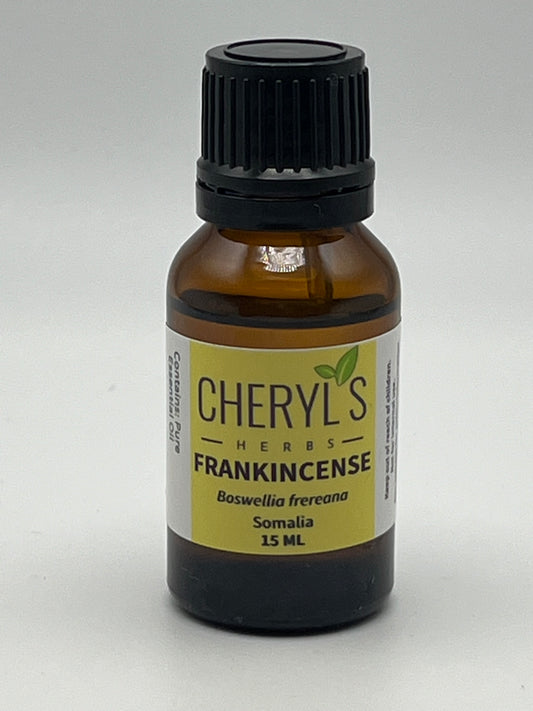
FRANKINCENSE
GUM
Boswellia
carteri
Safe
to consume when used appropriately.
GARLIC
Alium
sativum
Occasional
gastrointestinal disturbance in sensitive individuals. Some authorities feel
that consumption of fresh garlic in children might be dangerous and possibly
contraindicated in pregnancy. The long history of garlic as a food has
established it to be safe in reasonable quantities. These warnings may not apply
to processed garlic products.
GINGER
ROOT
Zingiber
officinale
Safe
to consume when used appropriately.
GINKGO
LEAF
Ginkgo
biloba
Safe
to consume when used appropriately, possible concern with ingestion of blood
thinning medications but inconclusive.
GINSENG
RED ROOT
Panax
quinquefolius
Safe
to consume when used appropriately. Red Ginseng is processed by steaming and may
potentiate the effects of caffeine and other stimulants. Unprocessed Ginseng is
not considered as stimulating.
GINSENG
ROOT (USA)
Panax
quinquefolius
Safe
to consume when used appropriately.
GINSENG
ROOT (CHINESE)
Panax
ginseng
Avoid
during hypertension but some authorities disagree with this caution.
GINSENG
ROOT (KOREAN)
Panax
schinseng
Avoid
during hypertension but some authorities disagree with this caution.
GINSENG
ROOT (SIBERIAN) see: ELEUTHERO ROOT
GOLDEN
SEAL ROOT
Hydrastis
canadensis
Avoid
during pregnancy. Standard Dose: Unless otherwise prescribed, three times daily:
500-1000 mg dried rhizome and root; 2.0-4.0 ml tincture (1:10, 60% ethanol);
0.3-1.0 ml liquid extract (1:1, 60% ethanol). Fresh plant may cause irritation
to the mucosa.
GOTU
KOLA HERB
Centella
asiatica
Safe
to consume when used appropriately.
GRAVEL
ROOT
Eupatorium
purpureum
For
external use only, avoid on broken skin, during pregnancy, while nursing and
with history of liver disease. Long term use is not recommended.
GUARANA
SEED
Paullinia
cupana
Not
recommended for excessive or long-term use.
HAWTHORN
BERRY
Crataegus
laevigata / spp.
Safe
to consume when used appropriately. May have a potentiating effect with
digitalis which may necessitate a smaller dosage of digitalis. Consult a
physician when symptoms continue unchanged for longer than 6 weeks or in cases
of swelling of the legs. Medical diagnosis is absolutely necessary when pains
occur in the region of the heart, spreading out to the arms, upper abdomen or
the area around the neck, or in cases of respiratory distress (dyspnea).
HEARTSEASE
HERB (PANSY)
Viola
tricolor
Safe
to consume when used appropriately.
HIBISCUS
FLOWER
Hibiscus
sabdariffa
Safe
to consume when used appropriately.
HOPS
FLOWER
Humulus
lupulus
Safe
to consume when used appropriately but some authorities say avoid with
depression.
HOREHOUND
HERB
Marrubium
vulgare
Avoid
during pregnancy.
HORSETAIL
HERB
Equisitum
arvense
Avoid
during cardiac or renal dysfunction. Has potential to lead to thiamine
deficiency. Powdered form not recommended for children or for prolonged use due
to the inorganic silica content, though teas & extracts contain mainly
organic silica in colloidal form so are not problematic in this regard.
HYDRANGEA
ROOT
Hydrangea
arborescens
Avoid
long term use
HYSSOP
HERB
Hyssopus
officinalis
Avoid
during pregnancy.
IRISH
MOSS
Chondrus
crispis
No
safety information available.
JASMINE
FLOWER
Jasminum
odoratissimum / grandiflorum
Safe
to consume when used appropriately.
JUNIPER
BERRY
Juniperus
communis
Avoid
during pregnancy and inflammatory kidney disease. Limit use to 4-6 weeks in
succession.
KAVA
KAVA ROOT
Piper
methysticum
Avoid
during pregnancy, nursing and some kinds of depression. Not recommended for more
than 3 months without medical advice. It could increase the effect of alcohol,
barbiturates and some drugs used for psychological treatment and has the
potential to affect motor reflexes and judgment when driving or operating heavy
machinery.
KELP
Laminaria
digitata/Ascophyllum nodosum
Avoid
during hyperthyroidism. Not recommended for long term use. When taken alone, it
should be accompanied with adequate liquid.
KOLA
NUT
Cola
acuminata
Avoid
during pregnancy, hypertension, gastric and duodenal
ulcers.
Not recommended for excessive or long-term use.
LAPACHO
BARK (Pau D'Arco)
Tabebuia
avelleneda
Safe
to consume when used appropriately.
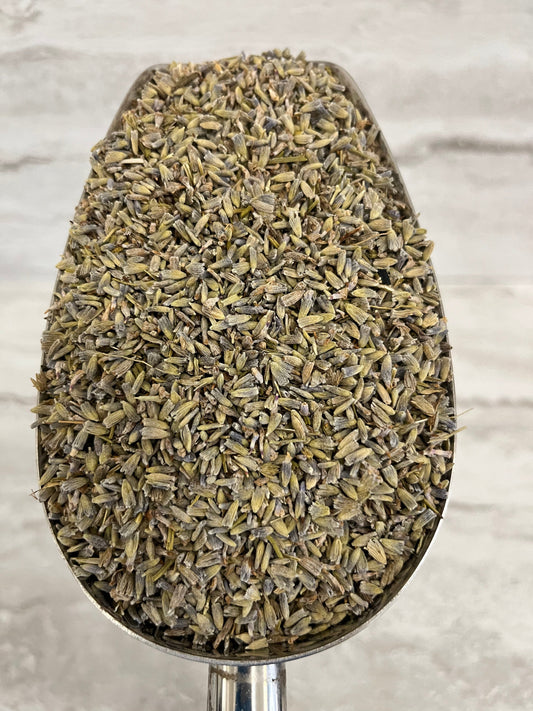
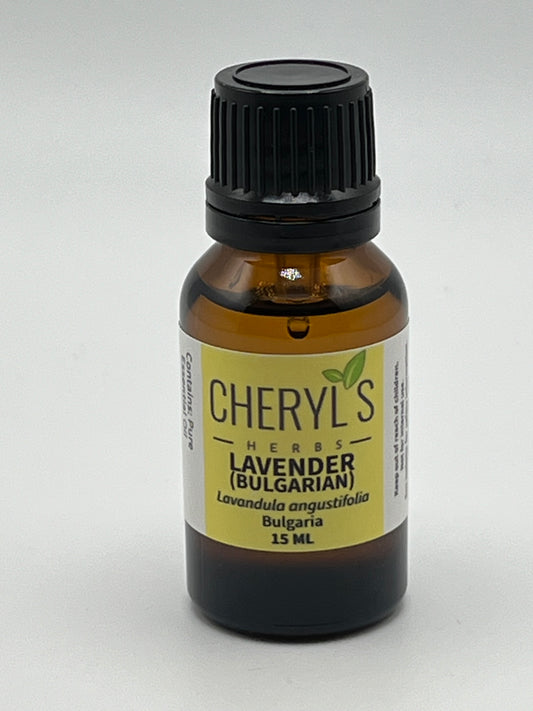
LAVENDER
FLOWER
Lavandula
angustifolia / x intermedia
Safe
to consume when used appropriately.
LEMON
VERBENA LEAF
Aloysia
triphylla
Safe
to consume when used appropriately.
LEMONGRASS
Cymbopogon
citratus
Avoid
during pregnancy. Allergic reactions are rare, if preparations of the herb are
topically applied to the skin.
LICORICE
ROOT
Glycyrrhiza
glabra
Avoid
during pregnancy, nursing, diabetes, hypertension, liver disorders, severe
kidney insufficiency, and hypokalemia. Not for prolonged use (over 4 - 6 weeks)
or in high doses except under supervision of a qualified health practitioner.
May potentiate potassium depletion of thiazide diuretics and stimulant
laxatives, as well as the action of cardiac glycosides and cortisol. May cause
reversible potassium depletion and sodium retention, resulting in such symptoms
as hypertension, edema, headache, and vertigo when consumed in therapeutic
dosages over a prolonged period.
LINDEN
FLOWER
Tilia
europaea
Safe
to consume when used appropriately.
LOBELIA
HERB
Lobelia
inflata
Avoid
during pregnancy. Avoid large doses. May cause nausea and vomiting.
MA
HUANG HERB
Ephedra
sinica
Avoid
during pregnancy, nursing, anorexia, bulimia, glaucoma, anxiety, impaired
circulation of the cerebrum, adenoma of prostate with residual urine
accumulation, pheochromocytoma and thyrotoxicosis. Not recommended for excessive
or long-term use. In higher dosage side effects can be drastic increase in blood
pressure, cardiac arrhythmia, development of dependency. Warning: Seek advice
from a health care practitioner prior to use if you are pregnant or nursing, or
if you have high blood pressure, heart or thyroid disease, diabetes, difficulty
in urination due to prostate enlargement, or if taking a MAO inhibitor or any
other prescription drug. Reduce or discontinue use if nervousness, tremor,
irritability, headaches, sleeplessness, disturbances of urination, excessive
rapid heart rate, loss of appetite or nausea occur. Not intended for use by
persons under 18 years of age. Keep out of the reach of children.
MARJORAM
LEAF
Origanum
marjorana
Safe
to consume when used appropriately.
MARSHMALLOW
LEAF
Althaea
officinalis
Safe
to consume when used appropriately but absorption of other drugs taken
simultaneously may be delayed.
MARSHMALLOW
ROOT
Althaea
officinalis
Safe
to consume when used appropriately but absorption of other drugs taken
simultaneously may be delayed.
MELISSA
HERB (LEMON BALM)
Melissa
officinalis
Safe
to consume when used appropriately.
MILK
THISTLE SEED
Silybum
marianum
Safe
to consume when used appropriately.
MOTHERWORT
HERB
Leonorus
cardiaca
Avoid
during pregnancy.
MUGWORT
HERB
Artemesia
vulgaris
Avoid
during pregnancy.
MUIRA
PUAMA ROOT
Liriosma
ovata
Safe
to consume when used appropriately.
MULLEIN
FLOWER
Verbascum
thapsus
Safe
to consume when used appropriately.
MULLEIN
LEAF
Verbascum
thapsus
Safe
to consume when used appropriately.
MYRRH
GUM
Commiphora
molmol
Avoid
during pregnancy & excessive uterine bleeding. Doses over 2.0-4.0 grams may
cause irritation of the kidneys and diarrhea.
NETTLE
LEAF
Urtica
dioica
Safe
to consume when used appropriately.
ORANGE
FLOWER
Citrus
aurantium
Safe
to consume when used appropriately.
ORANGE
PEEL
Citrus
sinensis
Safe
to consume when used appropriately.
OREGANO
LEAF
Origanum
vulgare
Safe
to consume when used appropriately.
OREGON
GRAPE ROOT
Mahonia
aquafolium
Avoid
during pregnancy.
ORRIS
ROOT (Natural)
Iris
germanica var. florentina
Safe
to consume when used appropriately.
PAPAYA
LEAF
Carica
papaya
Safe
to consume when used appropriately.
PASSION
FLOWER HERB
Passiflora
incarnata
Safe
to consume when used appropriately.
PEACH
TREE LEAF
Prunus
persica
Not
for long term use. There is concern over the Cyanogenic Glycoside Amygdalin
content of ca. 1.0% in the leaf. The seed can contain as much as 8.0% amygdalin
which is enough to prove fatal following even moderate consumption. Although the
content in the leaf and bark is significantly less than in the seed, caution
must still be observed, especially with children. Warning: To be used only under
the supervision of an expert qualified in the appropriate use of this substance.
PENNYROYAL
HERB
Mentha
pulegium
Avoid
during pregnancy. The leaf contains 1.0-2.0% essential oil consisting of
80.0-94.0% pulegone, a severe liver toxin when administered to rats in high
dose. The notoriety of pennyroyal is due to the misuse of the essential oil.
Death has been reported after consumption of as little as 15.0 ml (1/2 oz) of
the oil, and in one instance, following consumption of an alcohol extract of
pennyroyal herb over a two week period. The last case involved a woman who was
determined postmortem to have had an ectopic pregnancy, and toxic pulegone
metabolites were reported to be present in the liver.
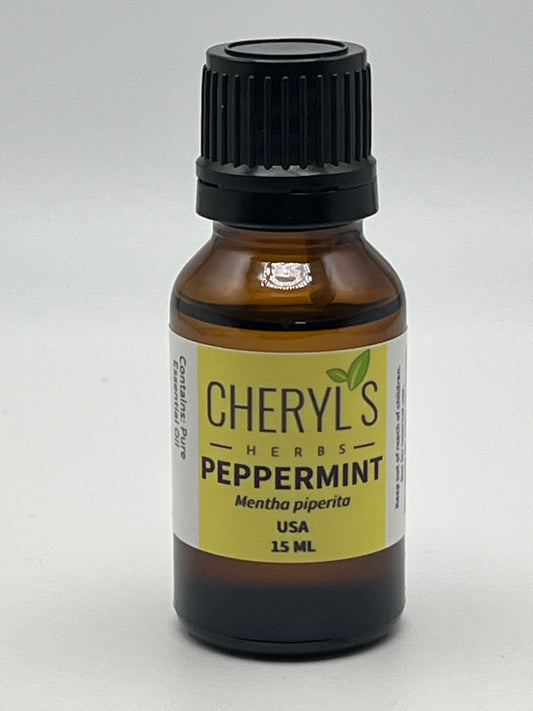
PEPPERMINT
LEAF
Mentha
piperita
Safe
to consume when used appropriately.
PFAFFIA
ROOT (SUMA)
Pfaffia
paniculata
Safe
to consume when used appropriately.
PLANTAIN
LEAF
Plantago
major
Safe
to consume when used appropriately.
PLEURISY
ROOT
Asclepias
tuberosa
Avoid
during pregnancy, may cause nausea and vomiting.
PRICKLY
ASH BARK
Zanthoxylum
americanum
Avoid
during pregnancy.
PYRETHRUM
FLOWER
Anacyclus
pyrethrum
External
use only. No safety information available.
RASPBERRY
LEAF
Rubus
idaeus O USA/Bulgaria
Safe
to consume when used appropriately.
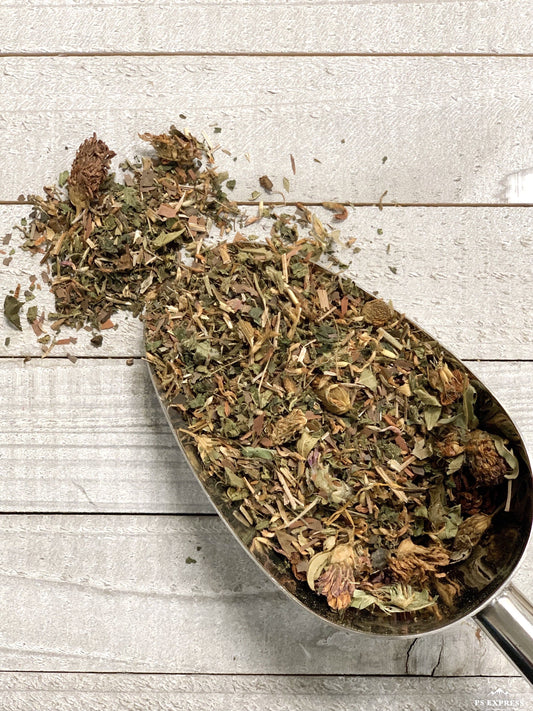
RED
CLOVER BLOSSOM
Trifolium
pratense
Avoid
during pregnancy.
RHUBARB
ROOT
Rheum
palmatum
Avoid
during pregnancy, nursing, intestinal obstruction, abdominal pain of unknown
origin, or any inflammatory condition of the intestines (appendicitis, colitis,
Crohn’s disease, irritable bowel, etc.) Not for children less than 12 years of
age and not for long-term use in excess of 8-10 days. Individuals with a history
of kidney stones should use this herb cautiously. Standard Dose: 1.0-5.0 grams
daily, directly consumed or decocted as a tea, or up to 12.0 grams daily
according to traditional Chinese authors. Warning for use of herb alone or in
sufficient quantity in product: Do not use this product if you have abdominal
pain or diarrhea. Consult a health care provider prior to use if you are
pregnant or nursing. Discontinue use in the event of diarrhea or watery stools.
Do not exceed recommended dose. Not for long-term use.
ROSE
BUD & PETAL (RED)
Rosa
centifolia/gallica
Safe
to consume when used appropriately.
ROSE
HIP seedless
Rosa
canina
Safe
to consume when used appropriately.
ROSEMARY
LEAF
Rosmarinus
officinalis
Avoid
during pregnancy.
SAFFLOWER
FLOWER
Carthamus
tinctorius
Avoid
during pregnancy, hemorrhagic diseases or peptic ulcers. May prolong blood
coagulation time.
SAGE
LEAF
Salvia
officinalis
Avoid
during pregnancy. Not for long term use, do not exceed recommended dose.
Standard
Dose: 4.0-6.0 grams daily.
SAGE
LEAF (WHITE)
Salvia
apiana
No
safety information available.
SARSAPARILLA
ROOT
Smilax
medica
Safe
to consume when used appropriately. Some authorities warn it leads to gastric
irritation and temp-orary kidney impairment and advise of potential drug
interactions with hypnotics, digitalis glycosides, and bismuth.
SASSAFRAS
ROOT BARK
Sassafras
albidium
Not
for long term use; do not exceed recommended dose. Standard Dose: 10.0 grams of
the root bark; 2.0-4.0 ml of an liquid extract of root bark.
SAW
PALMETTO BERRY
Serenoa
repens
Safe
to consume when used appropriately. Regular consultation with a physician is
advised when using this herb for treatment of enlarged prostate.
SCULLCAP
HERB
Scutellaria
lateriflora
Safe
to consume when used appropriately.
SENNA
LEAF
Senna
spp.
Avoid
during pregnancy, nursing, intestinal obstruction, abdominal pain of unknown
origin, hemorrhoids or any inflammatory condition of the intestines
(appendicitis, colitis, Crohn’s disease, irritable bowel, etc.) Not for
children less than 12 years of age and not for long-term use in excess of 8-10
days. Standard Dose: Dried leaf: 0.5-3.0 grams infused in hot (not boiling)
water for 10-15 minutes or in cold water for 10-12 hours. Warning for use of
herb alone or in sufficient quantity in product: Do not use this product if you
have abdominal pain or diarrhea. Consult a health care provider prior to use if
you are pregnant or nursing. Discontinue use in the event of diarrhea or watery
stools. Do not exceed recommended dose. Not for long-term use.
SHEEP
SORREL HERB
Rumex
acetosella
Individuals
with a history of kidney stones should use this herb cautiously.
SLIPPERY
ELM BARK (INNER)
Ulmus
fulva
Safe
to consume when used appropriately.
SPEARMINT
LEAF
Mentha
spicata
Safe
to consume when used appropriately.
SQUAW
VINE HERB
Mitchella
repens
Safe
to consume when used appropriately.
ST.
JOHN'S WORT HERB & FLOWER
Hypericum
perforatum
May
potentiate pharmaceutical MAO-inhibitors, fair-skinned people should avoid
excessive sunlight and tanning while using.
STEVIA
LEAF
Stevia
rebaudiana
Safe
to consume when used appropriately.
STEVIA
WHITE EXTRACT
Stevia
rebaudiana
Safe
to consume when used appropriately.
STONE
ROOT
Collinsonia
canadensis
Safe
to consume when used appropriately.
SWEET
WOODRUFF HERB
Galium
odoratum
Safe
to consume when used appropriately but use is reported to sometimes result in
headaches.
TANSY
HERB
Tanacetum
vulgare
To
be used only under the supervision of an expert qualified in the appropriate use
of this substance. Avoid during pregnancy, pelvic inflammatory disease and
excessive menstrual bleeding. Because of the variable thujone content,
uncontrolled usage of tansy, depending on the qualilty of the herb, can result
in absorption of thujone in toxic amounts, even at normal dosages.
TEA,
GREEN
Camellia
sinensis
Green,
unfermented tea is the world’s second most popular beverage, after water!
Contains 0.9-5.0% caffeine, not recommended for excessive use. May be irritating
to the digestive system.
THUJA
LEAF (ARBOR VITAE)
Thuja
occidentalis
Avoid
during pregnancy, pelvic inflammatory disease and excessive menstrual bleeding.
Because of the thujone content, avoid long-term use, do not exceed recommended
dose of 2.0-4.0 ml liquid extract, which should be taken internally only
occasionally. Aqueous forms such as tea are low in thujone.

THYME
LEAF
Thymus
vulgaris
Safe
to consume when used appropriately.
TURMERIC
ROOT
Curcuma
longa
Avoid
during pregnancy, bile duct obstruction, gall stones, stomach ulcers,
hyperacidity.
UVA
URSI LEAF
Arctostaphylos
uva ursi
Avoid
during pregnancy, nursing, kidney disorders, irritated digestive conditions and
with acidic urine or in conjunction with drugs which produce acidic urine
because it reduces antibacterial effect. Not for prolonged use without
consulting a practitioner.
VALERIAN
ROOT
Valariana
officinalis
Safe
to consume when used appropriately.
VIOLET
LEAF
Viola
odorata
Safe
to consume when used appropriately.
WHITE
OAK BARK
Quercus
alba
Avoid
external use with extensive skin surface damage. Full baths with a significant
amount of the tea are contraindicated in the following conditions: weeping
eczema and skin damage over a large area; febrile and infectious disorders;
cardiac insufficiency stages III and IV; hypertonia stage IV.
WHITE
WILLOW BARK
Salix
alba
May
be irritating to the digestive system. Persons with known sensitivity to aspirin
may wish to exercise caution although there is no evidence these type reactions
have ever occurred with the natural preparations from Salix spp. There is some
assurance aspirin’s tendency to potentiate blood thinning drugs is not
mimicked Salix spp.
WILD
CHERRY BARK
Prunus
serotina
Not
for long-term use; do not exceed recommended dose of 2.0-4.0 grams
WILD
LETTUCE HERB
Lactuca
spp.
Safe
to consume when used appropriately. Large doses of the tincture can produce
vomiting.
WILD
YAM ROOT
Dioscorea
villosa
Safe
to consume when used appropriately. Large doses of the tincture can produce
vomiting.
WINTERGREEN
LEAF
Gaultheria
procumbens
Persons
with known sensitivity to aspirin may wish to exercise caution although there is
no evidence these type reactions have ever occurred with the natural
preparations from Gaultheria. There is some assurance aspirin’s tendency to
potentiate blood thinning drugs is not mimicked Gaultheria.
WITCH
HAZEL BARK
Hamamelis
virginiana
Safe
to consume when used appropriately. In susceptible patients, irritation of the
stomach may occur occasionally. In rare cases, witch-hazel tannins may cause
liver damage.
WITCH
HAZEL LEAF
Hamamelis
virginiana
Safe
to consume when used appropriately. In susceptible patients, irritation of the
stomach may occur occasionally. In rare cases, witch-hazel tannins may cause
liver damage.
WORMWOOD
HERB
Artemisia
absinthium
Avoid
during pregnancy, nursing, pelvic inflammatory disease and excessive menstrual
bleeding. Not for long term use; do not exceed recommended dose of 1.5 grams of
dried herb in tea, 2 to 3 times daily. Thujone, a constituent of Wormwood, is
neurotoxic but the primary references do not substantiate toxicological concern,
except with long-term use, excessive dose (which is more likely with an
extract), or use of the essential oil.
YARROW
FLOWER
Achillea
millefolium
Avoid
during pregnancy, pelvic inflammatory disease and excessive menstrual bleeding.
Should not be used by persons prone to allergies to Asteraceae. With external
use, immediate cessation of treatment is advised in the event of itching and
inflammatory changes in the skin.
YELLOW
DOCK ROOT
Rumex
crispus
Caution
is advised for individuals with a history of kidney stones.
YERBA
MATE LEAF
Ilex
paraguaiensis
Not
recommended for excessive or long-term use. May be irritating to the digestive
system.
YERBA
SANTA HERB
Erdictyon
glutinosum
Safe
to consume when used appropriately.
YOHIMBE
BARK
Corynanthe/Pausinystalia
yohimbe
Avoid
during existing liver and kidney diseases and in chronic inflammation of the
sexual organs or prostate gland. Not recommended for excessive or long-term use.
May potentiate pharmaceutical MAO-inhibitors and hypotensive drugs. Yohimbe is a
nervous system stimulant that can produce unpleasant digestive and nervous
system symptoms including nervousness, heart irregularities, headaches, tremors
and insomnia.